
Inclusion can feel hard. We are here to make it easier.

We help founders and leaders build the leadership habits and culture that make inclusion possible - especially through growth and change. Led by Audrey Pantelis, who took a start-up organisation from zero systems to an Ofsted 'Good with Outstanding Features' rating within three years - proof that culture change sticks when it's built into everyday practice, not left as policy.

The inclusion challenges leaders are dealing with right now

When inclusion sits outside everyday systems, leaders and staff are left second-guessing how to respond. These are the patterns we're usually brought in to help solve.

Start a conversation

Avoiding difficult conversations

Leaders hold back for fear of getting it wrong, so issues escalate before they're named.

Inconsistent responses

The same incident gets handled differently depending on who responds, and staff and families notice.

Staff lacking confidence

People want to do the right thing but freeze, unsure of the correct words to use.

Microaggressions being normalised

Small moments are not dealt with, and over time they quietly shape culture and belonging.

Inclusion not built into systems

The policy says the right things, but day-to-day practice tells a different story.

Risk building

Reputational, legal and relational risk grows quietly in the gap between policy and practice.

Embedding inclusion into everyday practice

Elevation Coaching and Consulting works with organisations and schools where inclusion, behaviour and leadership decisions play out under real pressure. Drawing on three decades in education – including building a special school from a concept to receiving an Ofsted judgement of ‘Good with outstanding features’ – the approach is practical, grounded, and built for the moments that actually catch leaders out.

It starts with what’s really happening in your setting, builds shared language staff can use in the moment, and helps you embed it so it holds across teams – not just on a good training day.
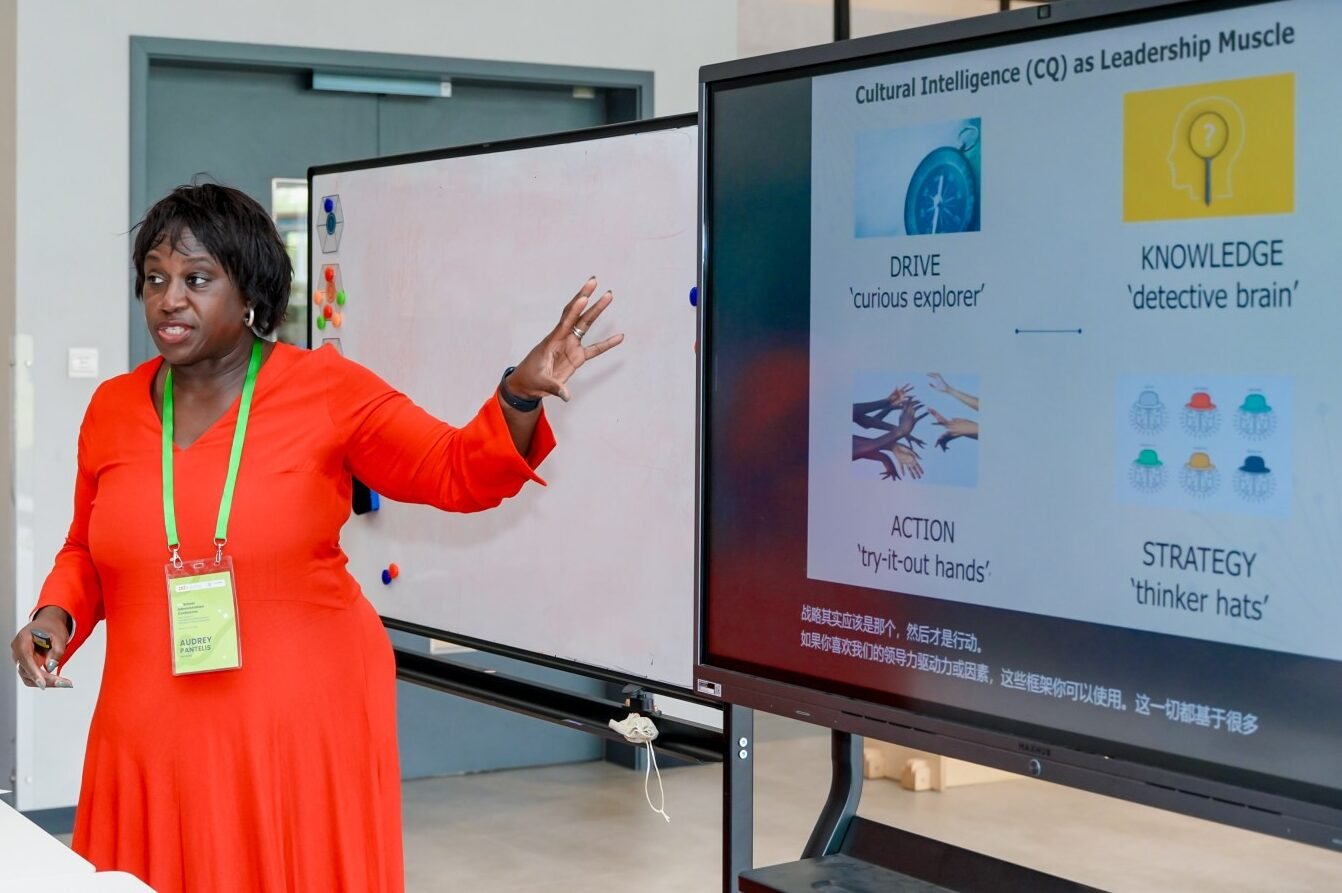
  • Diagnostic-first, so you spend effort where it's actually needed
  • Shared language and tools your team can use the same week
  • Built to embed into your systems, so it holds when you're not in the room

Support for leaders in organisations and schools

Choose the route that matches your setting. Each one is designed to build confidence, consistency and clear next steps.


Working with organisations

Support for founders and leaders building the leadership and culture behind how their teams handle language, feedback, and difficult conversations. The focus is practical tools, clearer expectations, and a consistent approach that holds across the whole organisation – not just with the strongest managers.

For example

  • Give managers language and tools for live conversations
  • Create clearer expectations so responses don't vary by team
  • Improve consistency in how issues are handled and escalated

Working with schools

Support for leaders to build calmer, more consistent practice when inclusion challenges show up through behaviour, language, and day-to-day incidents. The focus is shared expectations, clear responses, and systems that help staff handle situations with confidence.

For example

  • Reduce inconsistency in how incidents are handled across teams
  • Build shared language staff can rely on in real moments
  • Embed the approach into routines, policies, and culture

Speaking and keynotes

For conferences and leadership teams who want a grounded talk that challenges thinking and gives practical ways to respond.

For example

  • Practical ways to respond when situations feel loaded
  • Language leaders can take back to their teams
  • Clear next steps, not awareness for awareness' sake

Trusted support for leaders

Elevation Coaching and Consulting helps founders and leaders build the leadership and culture that inclusion depends on. The work sits at the point where behaviour, decisions and systems collide: handling language, incidents, staff confidence, and inconsistent practice, often under pressure and with limited time.

Exclusion rarely comes from bad intentions. It shows up as silence, inconsistency, and moments handled badly – which is why Audrey’s approach is practical, not theoretical: helping teams build shared language, respond more consistently, and embed clearer expectations into systems and routines. The goal is confidence and consistency across teams, not one-off awareness.

  • Support for founders, CEOs and senior leaders
  • Practical training, coaching and consultancy
  • Focused on confidence, consistency and risk reduction
  • Embedded in your systems, not a one-off session

"We adopted a whole-community approach to engagement. Audrey provided training for teaching and support staff, governors and school leaders, whilst also seeking feedback from colleagues, pupils and parents. Over the last two years, we have seen real and tangible progress, leading to the development of an Inclusion Policy, the establishment of an Inclusion Working Group, two parental forums, and staff-facilitated training. I have thoroughly enjoyed working with Audrey. I greatly value her openness, her willingness to provide constructive challenge, and the support she has offered throughout our partnership. "

Rector Hutchesons' Grammar School

How we will work with you

We start by getting clear on what is happening now and what needs to change first. Then we build the shared language and leadership confidence to respond well in real situations. Finally, we help you embed that practice into everyday systems so it becomes consistent across teams.

See How We Work

Diagnose what is happening now

We map what is happening in day-to-day practice, where inconsistency is showing up, and what is driving it.

  • What is happening, where, and in what situations
  • Where responses vary across people or teams
  • What needs attention first, and what can wait

Confident, consistent responses

Using the diagnostic, we strengthen leadership confidence and give teams shared language and practical tools for the moments that matter.

  • Shared language for tricky conversations
  • Practical tools and responses for real situations
  • Clear expectations so staff are not guessing

Embed into everyday practice

We help you put the approach into systems and routines so it holds up over time and does not rely on one person.

  • Align routines, policies, and accountability
  • Support leaders to sustain consistency
  • Review what is improving and adjust if needed

Practical insights and tools

Elevation Coaching and Consulting shares practical insights and resources to help leaders build confidence and consistency in how inclusion shows up day to day. This includes short reflections, tools you can use with teams, and longer-form resources for deeper learning.

See Our Insights

Frequently asked questions

We've answered some of the questions leaders and organisations often ask before getting started. If you're unsure where you fit, or want to talk through your context, we're happy to have a conversation.

Ask a Question

Not necessarily. Many founders and school leaders get in touch because they sense something’s off, not because they can point to one specific incident. That’s exactly what the first conversation is for — understanding what’s actually happening before anything’s proposed.

There’s no fixed timeline for either. Every organisation and every school is starting from a different place, so the plan is scoped to what’s actually happening rather than fitted to a generic package. That’s exactly what the first conversation is for — giving you a straight answer, not a standard number that doesn’t reflect your reality.

No. We don’t run generic DEI modules, one-off awareness sessions, or standalone training days as the core offer — for organisations or for schools. Inclusion isn’t something we deliver as a values exercise or a policy document. Our work focuses on leadership behaviour and organisational systems, because that’s what actually determines whether inclusion happens in practice.

For organisations, it runs through the Elevation Blueprint — a four-stage approach starting with an honest picture of what’s actually happening, building the leadership habits that stop teams freezing under pressure, and embedding those habits into your systems so the standard holds without you personally having to enforce it every time. For schools, it starts with a 30-minute discovery call — a conversation, not a pitch — followed by a five-step process: understanding what’s happening, agreeing priorities, building a plan with named ownership, putting it into practice, and checking it’s actually holding over time.

It gets expensive, in a predictable order. First, quiet attrition — you lose good people before you know there’s a problem. Then it becomes formal — small issues nobody caught early turn into grievances. Then it hits reputation — word gets round, and hiring gets harder.

A conversation, not a pitch. For organisations, that means understanding what’s actually happening in your business before anything’s proposed. For schools, it’s a 30-minute discovery call with the same aim — nothing gets recommended until we’re genuinely sure what you need

This is for founders and leaders of organisations growing fast, and for school leaders — including mainstream and special educational needs and disabilities (SEND) settings. The work looks different depending on which you are, but the underlying belief is the same: inclusion isn’t a values statement, it’s what happens in the decisions leaders make when something difficult actually happens.

I built a school’s leadership and systems from a standing start — no systems, no leadership team, growing the staff from 23 to over 100 people in two years, and taking it to an Ofsted ‘Good with Outstanding Features’ rating within three years. That’s alongside thirty years across mainstream and SEND education. I’ve lived what it takes to build something that holds under fast growth, not just studied it.